
Remain Curious

(407) 986-2888 | alan@azupkacounseling.com

AZupkaCounseling

My WordPress Blog

  • AZupkaCounseling
  • Home
  • About
  • Services
    • Telehealth
  • Getting Started
    • Appointment Request
    • Client Forms
    • FAQs
    • Rates & Insurance
  • Resources
    • Mental Health Links
    • Physical Health Links
    • Recent News
  • Blog
    • Addiction
    • Anxiety
    • Couples/Marriage
    • Depression
    • General
    • Issues for Women
    • LGBTQ
    • Men’s Issues
    • Self-Esteem
    • Sexual Health
  • Contact

October 23, 2026 by Alan Zupka

Recognizing the Signs of an Abusive Relationship: A Guide for Gay Men

Abuse in relationships is not always obvious. For gay men, unhealthy relationship patterns may be minimized, overlooked, or mistaken for normal conflict. Abuse can develop gradually through control, criticism, manipulation, intimidation, or isolation.

If you regularly feel afraid, diminished, controlled, or unsure of your own perceptions, it may be important to examine what is happening in your relationship.

Signs of an Abusive Relationship

Relationship abuse does not have to involve physical violence. Common warning signs include:

  1. Frequent criticism, humiliation, or belittling

  2. Isolation from friends, family, or other sources of support

  3. Control over finances, activities, communication, or decisions

  4. Threats toward you, themselves, pets, or people you care about

  5. Intimidation, unpredictable anger, or blaming you for their behavior

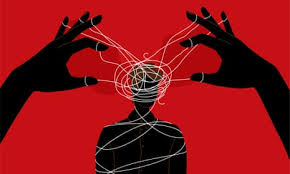
  6. Gaslighting that causes you to question your memories, feelings, or perceptions

These behaviors can gradually affect self-esteem, independence, and your sense of what is acceptable within a relationship.

How Therapy Can Help Gay Men Recognize Unhealthy Relationships

In therapy, I help gay men explore relationship patterns without judgment while separating their identity from the harmful messages they may have internalized.

Using CBT, we can examine thoughts that may keep you stuck, such as believing you are responsible for your partner’s behavior or that setting boundaries makes you selfish. Narrative therapy can help you reclaim your story beyond the relationship. Mindfulness can strengthen your awareness of emotions and boundaries, while positive psychology can help you reconnect with personal strengths, values, supportive relationships, and hope for the future.

When abuse is present, couples counseling is not always appropriate, particularly when there are concerns about safety, coercion, or retaliation. Individual therapy can provide a private space to better understand your experiences and consider your options.

Therapy for Gay Men Experiencing Relationship Abuse

You do not have to make every decision about your relationship at once. If you are questioning whether your relationship is healthy, I provide therapy for gay men to help you identify patterns, strengthen boundaries, rebuild self-trust, and determine what moving forward means for you.

If you are in immediate danger, prioritize your safety and contact emergency services or an appropriate domestic violence resource. If you are not in immediate danger but are concerned about your relationship, I invite you to contact me to discuss how individual therapy may help.

Filed Under: abuse, domestic violence, relationship problems, toxic relationship

September 8, 2025 by Alan Zupka

6 Signs You May Be in an Abusive Relationship

When Abuse Is Hard to Name: Understanding the Whisper Before the Roar

Abuse in relationships often begins subtly, a quiet undercurrent of control, fear, or emotional pain, before it builds into something louder and more consuming. Many individuals I work with share that they initially felt something was off, but could not quite identify what it was. If something feels wrong, even if you cannot yet name it, you may be experiencing a form of abuse. Recognizing these patterns is an empowering first step toward reclaiming your voice and protecting your well-being.

As a therapist, I understand that each person’s story is unique. Through the lens of narrative therapy, we explore how your experiences shape the story you tell yourself and how we can begin to rewrite that story with strength, compassion, and clarity.

Abuse Wears Many Faces

Abuse is not always physical. Emotional manipulation, psychological control, isolation, and financial coercion are just as harmful. These patterns can quietly erode self-worth and create confusion about what is real. In cognitive behavioral therapy (CBT), we work to challenge distorted thinking and uncover the truth beneath the fear and doubt that abusive dynamics often create.

Mindfulness invites us to gently notice our experiences without judgment, what we feel in our bodies, what we think, and what we sense deep down. If you feel small, uncertain, or silenced in your relationship, these feelings are signals worth listening to. You do not need proof to validate your experience. You only need to honor your truth.

Here Are Six Common Signs of an Abusive Relationship:

  • Constant criticism, belittling, or attempts to make you feel worthless

  • Isolation from family, friends, or support systems

  • Control over your finances, schedule, or important decisions

  • Threats of harm to you, your loved ones, or themselves

  • Unpredictable emotional outbursts followed by blame or denial

  • Gaslighting, or persistent attempts to make you question your reality

If any of these resonate with you, please know you are not alone. You are not weak, and you are not overreacting. You are responding to harm with wisdom and awareness. Positive psychology reminds us that even amid adversity, your strength, resilience, and capacity for change remain intact.

Therapy as a Space to Reclaim Your Voice

Not every relationship can, or should, be saved. But every person deserves the chance to feel seen, heard, and safe. Whether you explore these issues individually or within the context of relationship therapy, the therapeutic space allows you to reflect deeply, understand what you need, and create a path toward healing.

Therapy is not about labeling or blaming. It is about holding space for your story, your pain, and your possibilities. It is about choosing growth, even when that feels uncertain. Taking the first step to reach out can feel intimidating, but it is also a profound act of self-respect.

I Am Here to Support You

If you are unsure whether what you are experiencing is abuse, or if you are ready to make a change, I invite you to reach out. Together, we can explore your experiences, build clarity, and move toward a future that honors your safety, dignity, and emotional well-being.

You deserve to feel safe. You deserve to feel whole. Let us begin rewriting your story—on your terms.

Schedule a consultation today to explore therapy options, including relationship counseling and individual support. You are not alone, and you no longer need to second-guess yourself.

Filed Under: abuse, relationship issues, relationships, toxic relationship

Alan Zupka

Alan Zupka | Counselor | LGBTQ Community | Orlando, FL

(407) 986-2888
alan@azupkacounseling.com

Orlando, FL 32803

"Be proud of who you are and not ashamed of how others see you."
--Anonymous

Contact

Send A Message

By submitting this form via this web portal, you acknowledge and accept the risks of communicating your health information via this unencrypted email and electronic messaging and wish to continue despite those risks. By clicking "Yes, I want to submit this form" you agree to hold Brighter Vision harmless for unauthorized use, disclosure, or access of your protected health information sent via this electronic means.

Office Hours

Tuesday through Thursday from 11:00 am - 7:00 pm, and Friday and Saturday from 11:00 am - 4:30 pm
Request An Appointment
Proud Member of TherapyDen
  • Facebook

Find Our Office

"More will be revealed."
-- Anonymous

Contact Information

Orlando, FL 32803

(407) 986-2888
alan@azupkacounseling.com
Alan Zupka verified by GoodTherapy.org

A Therapist Website by Brighter Vision | Privacy Policy