Remain Curious

(407) 986-2888 | alan@azupkacounseling.com

AZupkaCounseling

My WordPress Blog

  • AZupkaCounseling
  • Home
  • About
  • Services
    • Telehealth
  • Getting Started
    • Appointment Request
    • Client Forms
    • FAQs
    • Rates & Insurance
  • Resources
    • Mental Health Links
    • Physical Health Links
    • Recent News
  • Blog
    • Addiction
    • Anxiety
    • Couples/Marriage
    • Depression
    • General
    • Issues for Women
    • LGBTQ
    • Men’s Issues
    • Self-Esteem
    • Sexual Health
  • Contact

September 18, 2026 by Alan Zupka

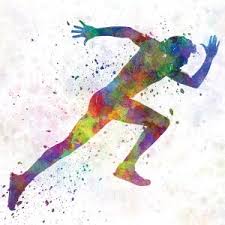
Exercise and Mental Health for Gay Men: Moving Beyond Body Image

For many gay men, exercise has a complicated relationship with mental health. Movement can support emotional well-being, but pressures surrounding appearance, masculinity, aging, and body image can turn fitness into another source of anxiety, comparison, or perfectionism.

Physical activity does not have to be about changing how you look. It can help you manage stress, reconnect with your body, and care for your mental health.

Movement as Mental Health Support

When you are experiencing anxiety, depression, loneliness, or stress, exercise may be the last thing you feel motivated to do. Fortunately, movement does not require an intense workout. Walking, swimming, cycling, yoga, dancing, stretching, or strength training can all support emotional wellness.

Regular movement may help improve mood, sleep, energy, concentration, and stress management. From a CBT perspective, even a small amount of activity can help interrupt cycles of withdrawal and avoidance. Mindfulness can also transform movement into an opportunity to reconnect with your breathing, body, and present experience.

Changing the Story About Your Body

Gay men often receive powerful messages about attractiveness, masculinity, muscularity, and youth. Dating apps, social media, and cultural expectations can reinforce thoughts such as, “I am not attractive enough,” or “I need to change my body to feel confident.”

Narrative therapy helps separate these messages from your identity. Positive psychology shifts the focus from what you believe is wrong with your body toward recognizing your strengths and appreciating what your body allows you to experience.

Movement can then become an act of self-care rather than punishment or another standard you must meet.

Therapy for Gay Men and Body Image

Exercise can complement therapy, but it does not replace it. In my work with gay men, I help clients explore anxiety, depression, body image, self-esteem, stress, and perfectionism using approaches informed by narrative therapy, CBT, positive psychology, and mindfulness.

The goal is not a perfect body or exercise routine. It is developing a healthier relationship with yourself.

If body image, anxiety, depression, or perfectionism is affecting your well-being, I invite you to reach out. Together, we can work toward a healthier relationship with your body, your thoughts, and the life you want to create.

Filed Under: exercise, healthy lifestyle, mental health, physical health

October 10, 2025 by Alan Zupka

The Link Between Gut Health and Mental Well-Being: What the Science Says

Healing from the Inside Out: Understanding the Gut-Brain Connection

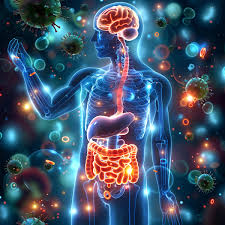
The phrase “trust your gut” holds more truth than many people realize. In recent years, research has deepened our understanding of the intricate relationship between the digestive system and mental health. This communication system, known as the gut-brain axis, creates a biochemical dialogue between the gut and the brain. When this system is out of balance, individuals may experience disruptions in mood, cognition, and emotional well-being.

How the Gut-Brain Connection Works

The gut is home to trillions of bacteria that help regulate digestion, immunity, and, perhaps most importantly, emotions. These microbes play a key role in producing neurotransmitters such as serotonin and dopamine, which are essential to mood regulation, motivation, sleep, and focus. When the gut microbiome is disrupted by chronic stress, a poor diet, illness, or trauma, the ripple effects can be felt emotionally and physically. Common symptoms of gut imbalance may include:

  • Feelings of anxiety or depression

  • Difficulty concentrating or persistent brain fog

  • Disrupted sleep or low energy

  • Digestive issues such as bloating, constipation, or symptoms of IBS

The Psychological Lens on Digestive Health

As a mental health counselor, I recognize the vital interplay between physical and emotional well-being. Through the lens of cognitive behavioral therapy (CBT), we explore how thoughts, emotions, and bodily sensations influence each other. From a mindfulness perspective, I guide clients in developing awareness of their internal experience, including physical cues from the gut that may signal emotional distress.

In narrative therapy, I invite clients to re-author the stories they hold about their bodies. Instead of viewing digestive issues as purely physical or disruptive, we begin to explore them as messages—signals from the body that speak to a deeper emotional truth. Together, we work to build a compassionate and empowering relationship with these experiences.

Positive psychology helps us center strengths and cultivate resilience. By shifting focus from what feels broken to what supports healing, we create space for emotional growth and physiological balance.

How I Support Clients Navigating Gut-Mind Disruption

If you are struggling with gut discomfort and emotional distress, you are not alone. Many clients find that addressing digestive health is a crucial part of feeling better emotionally. In our work together, I may help you:

  • Understand how stress, trauma, or emotional strain impact digestive health

  • Learn practical CBT tools to reduce anxiety and manage flare-ups

  • Use mindfulness techniques to reconnect with the body in nonjudgmental ways

  • Strengthen emotional resilience and self-care strategies

  • Reclaim a sense of agency and peace within your body’s story

Whether you live with chronic gut issues or are simply noticing that your emotions feel tied to your digestion, I invite you to explore this connection more deeply. Healing can begin from the inside out, and you do not have to navigate this journey alone.

Reach out to me today to begin a path toward holistic wellness—one that honors both your mind and your body.

Filed Under: health, healthy, healthy lifestyle

Alan Zupka

Alan Zupka | Counselor | LGBTQ Community | Orlando, FL

(407) 986-2888
alan@azupkacounseling.com

Orlando, FL 32803

"Be proud of who you are and not ashamed of how others see you."
--Anonymous

Contact

Send A Message

By submitting this form via this web portal, you acknowledge and accept the risks of communicating your health information via this unencrypted email and electronic messaging and wish to continue despite those risks. By clicking "Yes, I want to submit this form" you agree to hold Brighter Vision harmless for unauthorized use, disclosure, or access of your protected health information sent via this electronic means.

Office Hours

Tuesday through Thursday from 11:00 am - 7:00 pm, and Friday and Saturday from 11:00 am - 4:30 pm
Request An Appointment
Proud Member of TherapyDen
  • Facebook

Find Our Office

"More will be revealed."
-- Anonymous

Contact Information

Orlando, FL 32803

(407) 986-2888
alan@azupkacounseling.com
Alan Zupka verified by GoodTherapy.org

A Therapist Website by Brighter Vision | Privacy Policy