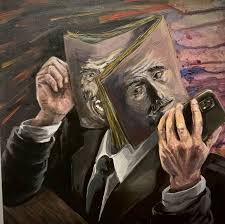
Remain Curious

(407) 986-2888 | alan@azupkacounseling.com

AZupkaCounseling

My WordPress Blog

  • AZupkaCounseling
  • Home
  • About
  • Services
    • Telehealth
  • Getting Started
    • Appointment Request
    • Client Forms
    • FAQs
    • Rates & Insurance
  • Resources
    • Mental Health Links
    • Physical Health Links
    • Recent News
  • Blog
    • Addiction
    • Anxiety
    • Couples/Marriage
    • Depression
    • General
    • Issues for Women
    • LGBTQ
    • Men’s Issues
    • Self-Esteem
    • Sexual Health
  • Contact

November 17, 2025 by Alan Zupka

Supporting a Loved One With Bipolar Disorder

Supporting Loved Ones Living with Bipolar Disorder

Supporting a family member or friend can be one of the most meaningful parts of life. Yet, when that person lives with bipolar disorder, it can also bring challenges that require patience, understanding, and care. Educating yourself about the condition—its patterns, emotional cycles, and available treatments such as therapy—can make a tremendous difference. In this article, I offer an overview of bipolar disorder and share ways to compassionately support your loved one while also maintaining your own well-being.

Understanding the Bipolar Experience

Bipolar disorder is a mental health condition characterized by dramatic shifts in mood, energy, and behavior. These shifts typically alternate between episodes of mania or hypomania—marked by elevated energy, impulsive decision-making, and euphoria—and periods of depression, which may involve sadness, fatigue, and feelings of hopelessness.

From a narrative therapy perspective, it is essential to remember that bipolar disorder does not define a person’s identity or worth. Each individual has a story that extends far beyond their diagnosis. Recognizing that story—complete with strengths, resilience, and meaning—helps both you and your loved one relate to the condition with compassion rather than fear or frustration.

Through mindfulness, we learn to meet these emotional shifts with awareness instead of reaction. Observing what arises—both within ourselves and in our loved ones—can help reduce emotional intensity and increase understanding.

Practical Ways to Offer Support

While you cannot control your loved one’s journey, you can create a foundation of stability and care. Consider the following approaches, grounded in CBT and Positive Psychology:

  • Encourage consistency in therapy and medication management. Remind your loved one that support and structure are part of healing, not limitations.

  • Learn to recognize early warning signs. Subtle mood changes often precede larger shifts. Gentle awareness can help prevent crises or encourage timely intervention.

  • Promote stability through routine. Predictable rhythms in sleep, meals, and social connection can reduce stress and support emotional regulation.

  • Practice patience and compassion. During difficult moments, pause before reacting. Remember that mood fluctuations are symptoms, not character flaws.

  • Attend to your own well-being. Supporting someone with bipolar disorder can be emotionally draining. Joining a support group, practicing mindfulness, or seeking therapy for yourself can help you maintain balance and prevent burnout.

Your care does not need to come at the expense of your own peace. Both you and your loved one deserve space to grow, heal, and experience joy.

Therapy as a Pathway to Healing

With the right balance of professional care, self-awareness, and supportive relationships, individuals living with bipolar disorder can lead meaningful and fulfilling lives. As a therapist, I help clients and families navigate these challenges through collaborative storytelling, cognitive restructuring, and mindfulness-based strategies that foster resilience and emotional stability.

If you or someone you love is living with bipolar disorder, therapy can provide guidance, education, and hope. I invite you to reach out to me to learn how we can work together toward a more balanced and empowered life.


Filed Under: bipolar, support, therapy

September 12, 2025 by Alan Zupka

Healing From Harm Inside the Home: Addressing Domestic Violence

Reclaiming Safety and Self: Healing After Domestic Violence

Home is meant to be a sanctuary, a space where one feels secure, valued, and at peace. Yet for many who have experienced domestic violence, home can become a place marked by fear, disconnection, and deep emotional suffering. The impact of abuse often extends far beyond the physical, leaving behind invisible wounds that touch self-worth, trust, and even the ability to recognize one’s own truth. I am here to help you find your way back to safety, not just in the external world, but within your own story.

Understanding the Many Faces of Domestic Violence

Domestic violence is not limited to physical harm. Emotional, psychological, financial, and sexual abuses are equally destructive. These forms of abuse often operate in cycles of control, silence, and self-blame, making it difficult to name what is happening, let alone leave it behind. From a narrative therapy perspective, the stories we are told in abusive relationships can distort our sense of identity and reality. Together, we will work to separate your voice from the voice of abuse, allowing space for your strength and truth to re-emerge.

Healing Is Possible, And You Do Not Have to Do It Alone

Recovery begins with being heard. In our work together, you will have the space to process your experiences without fear or shame. Trauma therapy is not about fixing you; it is about helping you reclaim parts of yourself that were minimized or silenced. Using the principles of CBT, we will challenge internalized beliefs rooted in fear and replace them with truths that foster healing and self-compassion. Through mindfulness, we will cultivate the ability to stay present without judgment, allowing your nervous system to find moments of rest and clarity.

As part of our trauma-informed approach, I support survivors in:

  • Processing traumatic memories in a safe, confidential environment

  • Rebuilding self-worth and reclaiming personal identity

  • Identifying and challenging harmful relational patterns

  • Learning to establish and maintain healthy emotional and physical boundaries

  • Exploring legal and community-based safety planning resources

Positive psychology reminds us that even in darkness, the seeds of hope and growth remain. Healing from domestic abuse is a courageous act of self-reclamation. You are not broken; you are becoming.

You Deserve Safety, Peace, and a New Beginning

If you are reading this and wondering whether healing is possible, I want you to know that it is. I have had the privilege of walking beside many individuals as they rediscover their inner strength, restore their sense of purpose, and build a future free from fear.

My therapy services are tailored to meet you where you are, honoring your pace and the unique process you’re going through. Whether you are just beginning to name your experience or are further along in your journey, I offer compassionate, nonjudgmental support rooted in evidence-based practices and deep respect for your story.

Your recovery can begin here, with safety, with empathy, and with a belief that your life can be more than what happened to you. Reach out when you are ready. I would be honored to walk alongside you.

Filed Under: domestic violence, support

Alan Zupka

Alan Zupka | Counselor | LGBTQ Community | Orlando, FL

(407) 986-2888
alan@azupkacounseling.com

Orlando, FL 32803

"Be proud of who you are and not ashamed of how others see you."
--Anonymous

Contact

Send A Message

By submitting this form via this web portal, you acknowledge and accept the risks of communicating your health information via this unencrypted email and electronic messaging and wish to continue despite those risks. By clicking "Yes, I want to submit this form" you agree to hold Brighter Vision harmless for unauthorized use, disclosure, or access of your protected health information sent via this electronic means.

Office Hours

Tuesday through Thursday from 11:00 am - 7:00 pm, and Friday and Saturday from 11:00 am - 4:30 pm
Request An Appointment
Proud Member of TherapyDen
  • Facebook

Find Our Office

"More will be revealed."
-- Anonymous

Contact Information

Orlando, FL 32803

(407) 986-2888
alan@azupkacounseling.com
Alan Zupka verified by GoodTherapy.org

A Therapist Website by Brighter Vision | Privacy Policy